Will they be known, or just cared for?
We begin with the person: how they like the morning to start, what calms them, what they enjoy, who matters to them and how they prefer to be helped. Care is more personal when those details stay visible.
Making room for what matters
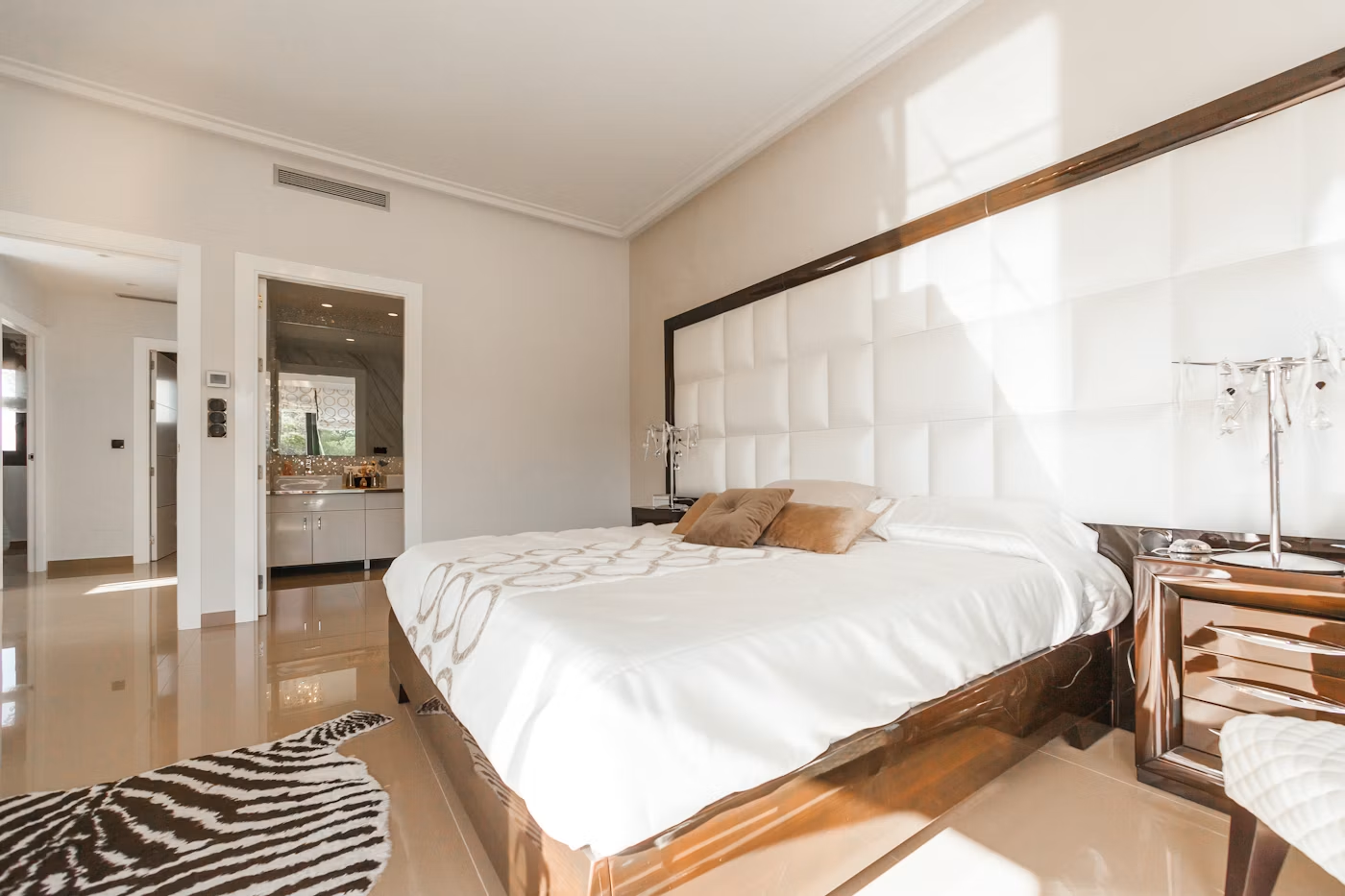
A smaller, more personal senior living environment where routines, relationships and the little things that make someone themselves still matter.
You do not need to know what care is called. Tell us what is getting harder. We can start there.

We begin with the person: how they like the morning to start, what calms them, what they enjoy, who matters to them and how they prefer to be helped. Care is more personal when those details stay visible.
Our aim is a residential rhythm rather than an institutional one: private rooms, familiar belongings, conversation, shared meals, quieter moments and everyday routines that make a place feel lived in.
Yes. Family relationships do not end when care begins. We want you to know who to speak to, what questions to ask and how to remain involved in ways that respect the resident’s wishes.
Then do not decide yet. Ask questions. Visit. Tell us what is worrying you. A good first conversation should create clarity, not pressure.
Support matters, but so does the life around it. A favorite breakfast. A familiar sweater. Time with family. A quiet afternoon. A joke someone has told a hundred times. We build care around the reality that these details are not small to the person living them.
How we think about care →
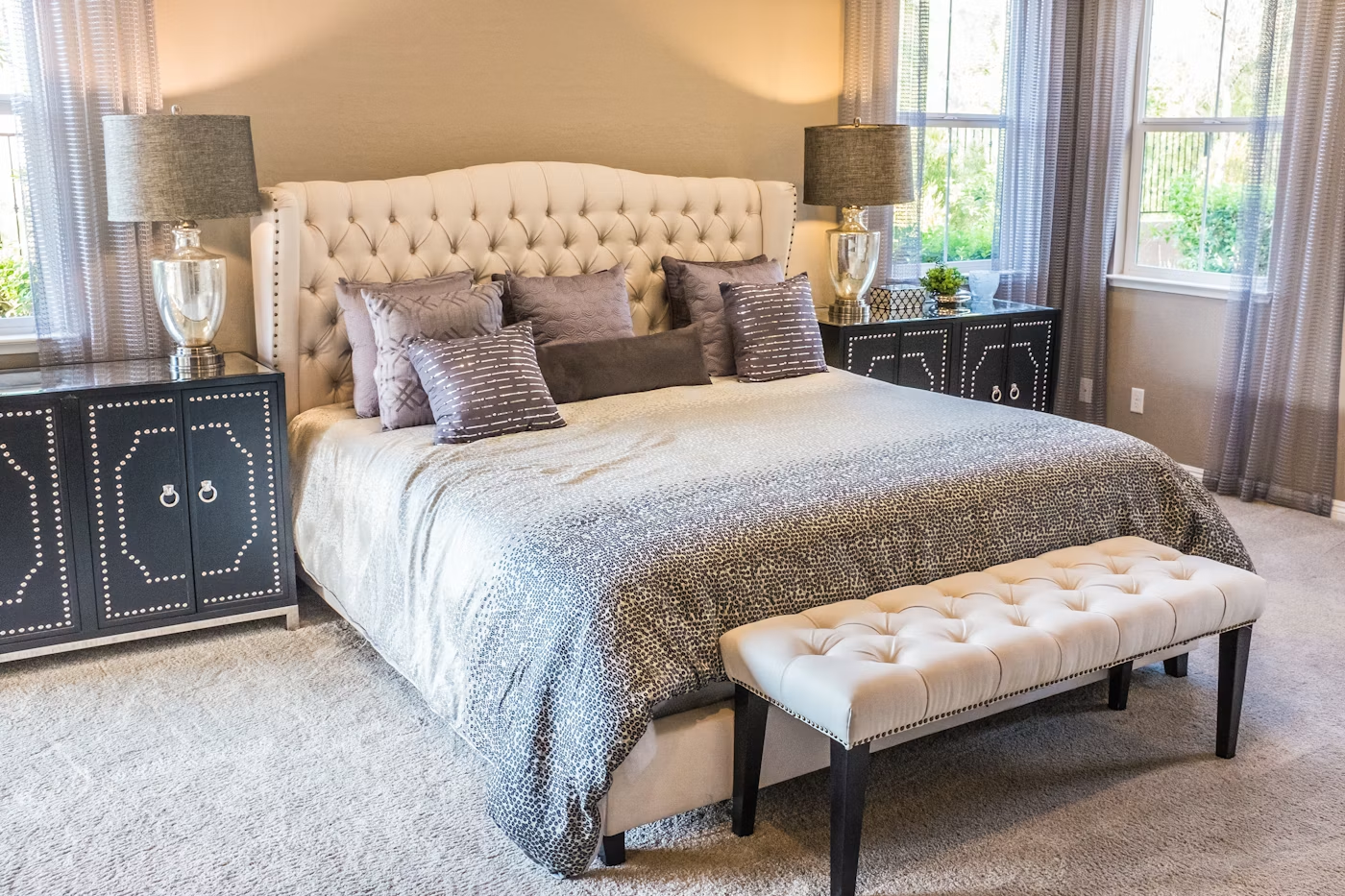
Bring the photographs. Keep the routines. Make the room theirs.
Alliance Care Homes supports older adults in Shoreline, WA across several levels of residential care. If you are unsure which one fits, describe what is happening now and we will help you understand the options.
Supportive living for residents who value independence with daily assistance.
Understand this care →Specialized support in a safe and reassuring environment for residents with memory-related conditions.
Understand this care →24/7 professional nursing support for residents with complex health needs.
Understand this care →Short-term stays for recovery, family relief, or transitional support.
Understand this care →Alliance Care Homes is designed for families looking for a more personal adult family home environment in Shoreline, WA: residential, calm, family-aware and easy to contact when questions arise.

Sometimes the hardest part of looking for care is the feeling that you are handing over your role. We see it differently. Professional support should make it easier for family relationships to be family relationships again.
Bedrooms should feel like private space, not assigned space. Shared areas should invite conversation without demanding it. The environment should support daily life, not overwhelm it.
Care can feel like a new language at exactly the moment your family has the least energy for jargon. We keep the explanations practical.
Read all family questions →There is rarely one single moment. Families often start looking when daily routines are becoming harder to manage safely, someone needs more support across the day, or family caregiving is becoming difficult to sustain. You can contact us before there is a crisis and simply talk through what has changed.
Assisted living generally supports older adults who want a residential setting with help for everyday routines. Memory care adds a more specialized approach for people living with memory-related conditions, with greater attention to familiarity, reassurance, communication and safety. We can help you discuss which type of support may fit the current situation.
Our goal is the opposite. The more we understand about a person’s preferred routines, habits, interests and comforts, the easier it is to make daily support feel familiar. Some routines may need to adapt for health or safety reasons, but residents should continue to have meaningful choice in ordinary life.
Personal belongings can make a new room feel much more familiar. What can be brought depends on the room, available space and practical safety considerations, so we encourage families to talk through specific items before move-in.
Very involved, if that is what the resident wants. Moving into a care home does not replace family relationships. We want families to know how to ask questions, share useful context and remain part of the resident’s life while respecting privacy and individual choice.
A private visit gives you a better sense of the home, the pace and the people than any brochure can. We will make room for the questions you actually have.